

Best Places to Travel in the USA: A Complete Guide
The United States is big enough to feel like several countries stitched together. In one trip you can stand on a Manhattan rooftop, watch a geyser erupt in Wyoming and end the week on a Hawaiian beach. That range is exactly what makes choosing places to travel in the US so hard: there’s too much, and it’s far apart.
This guide narrows it down. It covers the cities, national parks, beaches and road trips that reward first-time and repeat visitors alike, then adds what most “best places” lists skip: when to go, how long to stay, what the 2026 fee and entry changes mean for your budget, and sample itineraries you can actually follow.
Last updated: November 2026. Fees and park rules change often, so confirm details on the official sites linked below before you book.
What Are the Best Places to Travel in the US?
The best places to travel in the US are New York City, Washington, D.C., New Orleans, Chicago and San Francisco for city trips; the Grand Canyon, Yellowstone, Utah’s national parks, Great Smoky Mountains, Yosemite and Glacier for nature; Hawaii, the Florida Keys and San Diego for beaches; and the Pacific Coast Highway, Route 66 and the Blue Ridge Parkway for road trips.
- Best for first-timers: New York City plus Washington, D.C., linked by a short train ride.
- Best national park: Grand Canyon for scale; Yellowstone for wildlife and geysers.
- Best beach destination: Hawaii (Maui or Oahu).
- Best road trip: California’s Pacific Coast Highway.
- Best value: Great Smoky Mountains, which charges no entrance fee (a parking tag is required).
- Best time to visit the USA overall: Spring (April–May) and fall (September–October), when weather is mild and crowds are lighter than in summer.
The Best Places to Visit in the USA at a Glance
Use this table to shortlist destinations by trip style, season and length.
| Destination | Best for | Best time to visit | Ideal stay | Budget level |
|---|---|---|---|---|
| New York City, NY | Museums, food, Broadway | Apr–Jun, Sep–Dec | 4–5 days | High |
| Washington, D.C. | History, free museums | Late Mar–May, Sep–Oct | 2–3 days | Medium |
| New Orleans, LA | Music, food, culture | Feb–May | 3–4 days | Medium |
| Chicago, IL | Architecture, lakefront | May–Sep | 2–3 days | Medium |
| San Francisco, CA | Food, views, day trips | Sep–Nov | 3–4 days | High |
| Charleston, SC | History, Southern food | Mar–May, Oct–Nov | 2–3 days | Medium |
| Grand Canyon NP, AZ | Iconic views, hiking | Mar–May, Sep–Nov | 1–3 days | Low–Medium |
| Yellowstone NP, WY/MT/ID | Geysers, wildlife | May–Sep | 3–4 days | Medium |
| Utah’s “Mighty 5” parks | Canyons, red-rock hikes | Mar–May, Sep–Oct | 5–7 days | Low–Medium |
| Great Smoky Mountains NP, TN/NC | Fall color, easy access | Apr–May, Oct | 2–3 days | Low |
| Yosemite NP, CA | Waterfalls, granite cliffs | May–Jun, Sep–Oct | 2–3 days | Medium |
| Glacier NP, MT | Alpine lakes, scenic drives | Jul–Sep | 3–4 days | Medium |
| Hawaii | Beaches, volcanoes | Apr–May, Sep–Nov | 7–10 days | High |
| Florida Keys & Miami, FL | Beaches, snorkeling | Dec–Apr | 4–6 days | Medium–High |
| San Diego, CA | Year-round beach weather | Year-round | 3–4 days | Medium |
| Pacific Coast Highway, CA | Classic coastal road trip | Apr–Jun, Sep–Oct | 5–7 days | Medium–High |
Best Cities to Visit in the USA

American cities are where most international trips begin, and they’re the easiest places to travel in the US without a car. Each pick below is distinct enough that two or three can fill a varied week.
1. New York City, New York — Best for First-Time Visitors
New York packs world-class museums, distinct neighborhoods and global food into a city you can cover on foot and by subway. It’s also the main gateway for flights from Europe, the Middle East and South Asia.
Top things to do:
- Take the ferry to the Statue of Liberty and Ellis Island, booking through the official concessioner linked from the National Park Service page.
- Walk the High Line, then continue to Chelsea Market and the Hudson River waterfront.
- Spend a morning at the Metropolitan Museum of Art or the American Museum of Natural History.
- Cross the Brooklyn Bridge on foot at sunrise, before the crowds.
- See a Broadway show; same-day discount booths can cut ticket prices.
Tip: Stay near a subway line rather than in central Manhattan. Neighborhoods such as Long Island City or downtown Brooklyn are often cheaper and 15–20 minutes from Midtown.
2. Washington, D.C. — Best for History and Free Attractions
The capital is one of the best-value places to visit in the USA because the Smithsonian Institution runs most of its museums with free general admission. Monuments on the National Mall are open around the clock and are especially striking at night.
Top things to do:
- Visit the National Air and Space Museum and the National Museum of African American History and Culture (check whether free timed passes are needed).
- Walk the National Mall from the Capitol to the Lincoln Memorial.
- Time a spring trip for the National Cherry Blossom Festival, when peak bloom usually falls in late March or early April.
- Day-trip to Mount Vernon or Old Town Alexandria.
3. New Orleans, Louisiana — Best for Music and Food
New Orleans feels unlike anywhere else in the country: brass bands, Creole and Cajun cooking, and architecture shaped by French and Spanish rule. February through May is the sweet spot, covering Mardi Gras season and the city’s spring music festivals before summer humidity sets in.
Top things to do:
- Hear live jazz on Frenchmen Street, a calmer alternative to Bourbon Street.
- Ride the St. Charles streetcar through the Garden District.
- Eat beignets, gumbo and po’boys, and book a Creole cooking class.
- Take a swamp tour or visit a historic plantation site that tells the story of enslaved people.
4. Chicago, Illinois — Best for Architecture
Chicago is a strong pick for travelers who like design, food and lakefront walks. Summer is ideal, with beaches on Lake Michigan and free outdoor concerts in Millennium Park.
Top things to do:
- Join a river architecture cruise; the Chicago Architecture Center runs well-regarded ones.
- See Cloud Gate and the Art Institute of Chicago.
- Try deep-dish pizza and a Chicago-style hot dog.
- Cycle or walk the Lakefront Trail.
5. San Francisco, California — Best Base for Northern California
San Francisco combines steep, walkable neighborhoods with easy day trips to wine country, redwood forests and the coast. Its summers are often foggy and cool, so September to November usually brings the warmest, clearest days.
Top things to do:
- Walk or cycle across the Golden Gate Bridge. The surrounding Golden Gate National Recreation Area drew about 15.7 million visits in 2025, more than any national park.
- Ride a cable car and explore Chinatown and North Beach.
- Visit Muir Woods to see coast redwoods (parking or shuttle reservations are required).
- Day-trip to Napa or Sonoma valleys.
6. Charleston, South Carolina — Best Small-City Escape
Charleston rewards slow travel: cobblestone streets, pastel row houses, and one of the South’s most celebrated food scenes. It’s compact, so two or three days is enough, and it pairs well with Savannah, Georgia, about two hours’ drive south.
Top things to do:
- Take the ferry to Fort Sumter National Historical Park, where the Civil War began.
- Walk Rainbow Row and the Battery at golden hour.
- Visit a Lowcountry plantation or museum that presents the history of enslaved people honestly.
- Spend a beach afternoon on Folly Beach or Sullivan’s Island.
Want more ideas once you’ve picked a city? Browse Travluno’s things to do around the world or ask locals and fellow travelers in the Travluno Travel Forum.
Best National Parks and Natural Wonders in the US
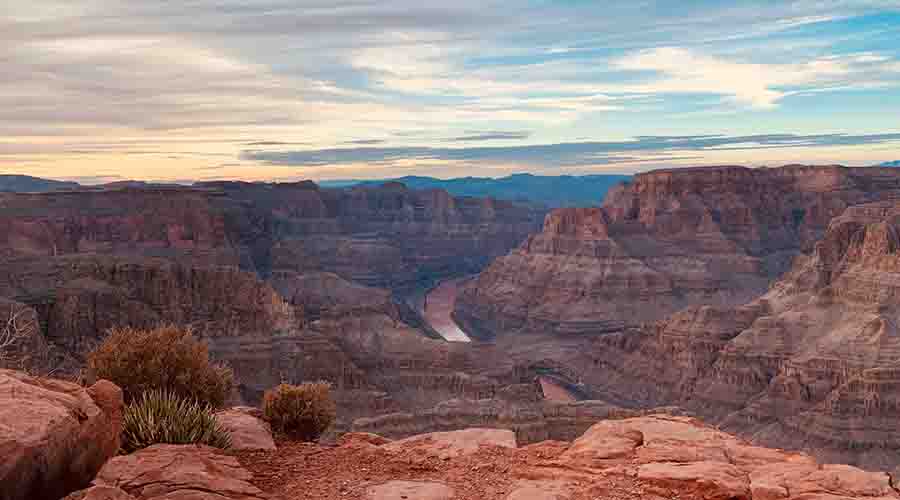
The US has 63 national parks within a wider system of more than 400 sites run by the National Park Service (NPS). The system recorded more than 323 million recreation visits in 2025, according to NPS visitation statistics. The parks below are the ones most travelers put first, and with good reason.
International visitors, note: since January 1, 2026, non-US residents aged 16 and older pay an extra $100 per person at 11 popular parks, including several in this section. See the park fees section before you budget.
7. Grand Canyon National Park, Arizona — Best for Sheer Scale
No photo prepares you for the Grand Canyon. The park logged about 4.43 million visits in 2025, and most visitors see it from the South Rim, which is open year-round and has the most viewpoints, lodges and shuttle routes.
Top things to do:
- Watch sunrise or sunset at Mather Point, Yavapai Point or Hopi Point.
- Hike a short section of the Bright Angel or South Kaibab trails. Turning back early matters, because the climb out takes roughly twice as long as the descent.
- Drive Desert View Drive for 25 miles of overlooks.
- Pair the park with Sedona or Las Vegas, both within a few hours’ drive.
2026 North Rim update: the 2025 Dragon Bravo Fire destroyed the historic Grand Canyon Lodge and many surrounding buildings. The North Rim reopened for its mid-May to mid-October season in 2026, but with limited services and no in-park overnight lodging. Check the official North Rim status page before planning a visit.
8. Yellowstone National Park, Wyoming, Montana and Idaho — Best for Wildlife and Geysers
Established in 1872 as the world’s first national park, Yellowstone holds more than half of the world’s active geysers alongside free-roaming bison, elk and wolves. It received about 4.76 million visits in 2025, most of them between May and September, when nearly all park roads are open.
Top things to do:
- Watch Old Faithful erupt, then walk the Upper Geyser Basin boardwalks.
- See Grand Prismatic Spring from the Fairy Falls overlook trail.
- Look for wildlife in Lamar and Hayden valleys at dawn or dusk.
- Visit the Grand Canyon of the Yellowstone and Lower Falls.
Tip: Distances inside the park are long. Base yourself in two different areas, such as West Yellowstone and Canyon or Gardiner, to avoid hours of daily backtracking. For gateway towns and nearby Glacier, see Travluno’s guide to the best places to visit in Montana.
9. Utah’s “Mighty 5” National Parks — Best for a Red-Rock Road Trip
Southern Utah has five national parks within a few hours of each other: Zion, Bryce Canyon, Capitol Reef, Canyonlands and Arches. Zion was the second most visited national park in 2025, with about 4.98 million visits.
| Park | Signature experience | Good to know |
|---|---|---|
| Zion | Hiking The Narrows; Angels Landing | Angels Landing requires a permit from a lottery; a seasonal shuttle runs on the main canyon road |
| Bryce Canyon | Hoodoo views from Sunrise and Sunset points | At about 8,000–9,000 ft, nights are cold even in summer |
| Capitol Reef | Fruit orchards and quiet scenic drives | The least crowded of the five |
| Canyonlands | Mesa Arch at sunrise; Island in the Sky | Remote: fill up on fuel and water in Moab |
| Arches | Delicate Arch; more than 2,000 natural arches | No timed-entry reservation was required in 2026; some hikes, such as Fiery Furnace, need permits |
A loop from Las Vegas or Salt Lake City covering all five takes about 7–10 days. Spring and fall avoid summer heat that regularly tops 100°F (38°C) in lower canyons.
10. Great Smoky Mountains National Park, Tennessee and North Carolina — Best Value Park
Great Smoky Mountains is America’s most visited national park, with about 11.5 million visits in 2025. Its mix of misty ridgelines, waterfalls and historic log cabins sits within a day’s drive of much of the eastern US.
Top things to do:
- Drive the Cades Cove loop early in the morning for deer, turkey and black bears.
- Hike to Alum Cave Bluffs or Laurel Falls.
- Catch peak fall color, usually mid-to-late October at lower elevations.
- Stay in Gatlinburg, Pigeon Forge (Tennessee) or Bryson City (North Carolina).
Cost: there is no entrance fee, but a parking tag is required to park in the park for more than 15 minutes. Check current prices on the official fees page.
11. Yosemite National Park, California — Best for Waterfalls and Granite Cliffs
Yosemite Valley’s walls, including El Capitan and Half Dome, are among the most photographed landscapes in the country. The park recorded about 4.28 million visits in 2025. Waterfalls peak in May and June as snow melts.
Top things to do:
- Stop at Tunnel View for the classic valley panorama.
- Hike the Mist Trail to Vernal Fall.
- Walk among giant sequoias in Mariposa Grove.
- Drive Tioga Road (usually open late May or June to November) for high-country lakes.
Yosemite did not require timed-entry reservations in 2026 and managed traffic instead, but permits are still required for Half Dome’s cables. Check the park website before you go, since rules can change year to year.
12. Glacier National Park, Montana — Best for Alpine Scenery
Glacier’s turquoise lakes and jagged peaks make it a summer favorite, with about 3.1 million visits in 2025. The 50-mile Going-to-the-Sun Road is usually fully open only from late June or early July into October.
Top things to do:
- Drive Going-to-the-Sun Road over Logan Pass.
- Hike Highline Trail or the trail to Grinnell Glacier.
- Kayak Lake McDonald or Two Medicine Lake.
- Look for mountain goats and bighorn sheep near Logan Pass.
Glacier dropped its vehicle reservation system for 2026, but access rules for Logan Pass can change. Confirm them on the park’s website before you go.
Worth adding: Acadia and Alaska
- Acadia National Park, Maine: rocky Atlantic coastline and carriage roads, best from June to mid-October. A vehicle reservation is needed for the Cadillac Summit Road in peak season.
- Alaska: Denali and Kenai Fjords deliver true wilderness, mostly reachable from June to early September. Plan these as a trip of their own rather than an add-on.
Best Beach and Island Destinations in the US

13. Hawaii — Best for Beaches, Volcanoes and Island Hopping
Hawaii gives you tropical beaches without a passport for US travelers, plus volcanic landscapes found nowhere else in the country. Each island has a different personality, so choose one or two rather than trying to see all of them.
| Island | Best for | Don’t miss |
|---|---|---|
| Oahu | First-timers, food, history | Waikiki, Pearl Harbor National Memorial, North Shore |
| Maui | Couples, scenic drives | Road to Hana, Haleakalā sunrise (reservation required) |
| Hawaiʻi (Big Island) | Volcanoes, stargazing | Hawaiʻi Volcanoes National Park, Mauna Kea |
| Kauaʻi | Hiking, dramatic coastlines | Nā Pali Coast, Waimea Canyon |
Budget note: on January 1, 2026, Hawaii raised its statewide transient accommodations tax from 10.25% to 11%, the so-called “green fee,” and counties add their own surcharge of up to 3%. Expect lodging taxes to add close to a fifth of your room rate once general excise tax is included. Popular sites such as Diamond Head also require advance reservations for out-of-state visitors. Plan with the official Go Hawaii visitor site.
14. Miami and the Florida Keys — Best Winter Beach Trip
South Florida is the classic escape from northern winters. Miami offers Art Deco architecture in South Beach and Cuban food in Little Havana. The Overseas Highway then island-hops roughly 160 miles from Miami to Key West.
Top things to do:
- Snorkel the reefs at John Pennekamp Coral Reef State Park in Key Largo.
- Watch sunset at Mallory Square in Key West.
- Take the ferry or seaplane to Dry Tortugas National Park (book well ahead; space is limited).
- Airboat or kayak through Everglades National Park (one of the 11 nonresident-fee parks).
Timing: December to April is dry season. June to November is Atlantic hurricane season, with the highest risk from August to October.
15. San Diego, California — Best Year-Round Beach City
San Diego’s mild weather makes it one of the few places to travel in the US that works in any month. It’s a relaxed mix of surf beaches, Mexican-influenced food and family attractions.
Top things to do:
- See sea lions and tide pools at La Jolla Cove.
- Explore Balboa Park’s museums and gardens.
- Visit Coronado Beach and the historic Hotel del Coronado.
- Head inland to Anza-Borrego Desert State Park for spring wildflowers.
Best US Road Trips
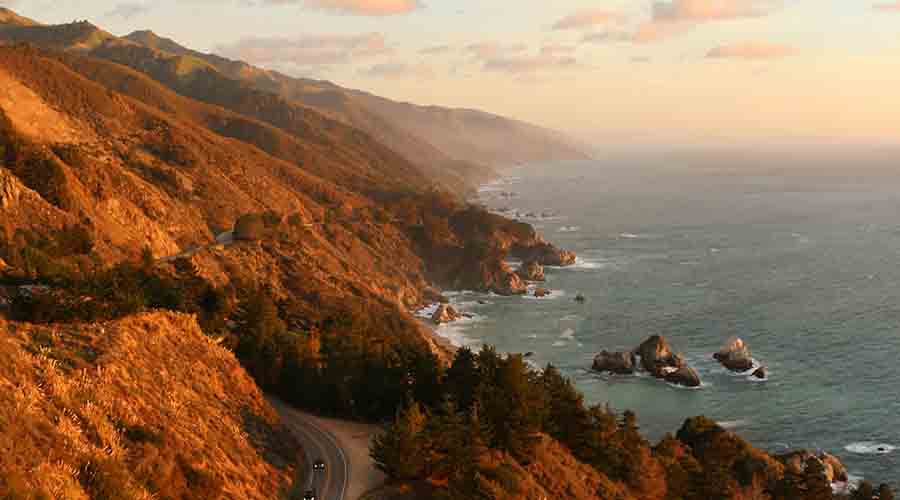
A road trip is often the best way to see the US, especially in the West, where parks and small towns sit far from airports. Rent a car with unlimited mileage, and check whether one-way drop-off fees apply.
Pacific Coast Highway (California State Route 1)
Route: San Francisco to Los Angeles or San Diego · Time: 5–7 days · Best months: April–June, September–October
The drive hugs cliffs above the Pacific through Monterey, Carmel and Big Sur, then passes Hearst Castle, Santa Barbara and Malibu. Drive north to south to stay in the ocean-side lane. Landslides periodically close sections of Highway 1 in Big Sur, so check Caltrans QuickMap the day before you drive.
Route 66
Route: Chicago to Santa Monica · Distance: about 2,400 miles · Time: 2–3 weeks
Route 66 was established on November 11, 1926, so 2026 marks its centennial, with events planned along the route. Expect neon motels, diners and roadside oddities in Illinois, Missouri, Oklahoma, Texas, New Mexico, Arizona and California. Many travelers drive only the western half, from Oklahoma City to Los Angeles, with detours to the Grand Canyon. The National Park Service’s Route 66 travel itinerary lists historic stops.
Blue Ridge Parkway
Route: Shenandoah National Park, Virginia, to Great Smoky Mountains, North Carolina · Distance: 469 miles · Time: 3–5 days
The Blue Ridge Parkway was the most visited site in the entire National Park Service system in 2025, with more than 16.5 million visits. There’s no entrance fee, and the speed limit is mostly 45 mph, so the drive is slow by design. October brings spectacular fall color. Some sections close in winter, so check road status before you go.
Other great US road trips
- Utah’s Mighty 5 loop: all five Utah parks in 7–10 days (see above).
- New England fall foliage drive: Vermont’s Route 100 and New Hampshire’s Kancamagus Highway, from late September to mid-October.
- Florida Keys Overseas Highway: Miami to Key West in a long day, or three days with stops.
- Yellowstone to Glacier: about 7–10 days through Montana’s mountain towns.
Before any long drive, use Travluno’s ultimate travel packing list, which includes a road trip checklist.
Best Places to Travel in the US by Season
The US spans tropical, desert, alpine and Arctic climates, so somewhere is always in season. Match your dates to the region.
| Season | Where to go | Why |
|---|---|---|
| Spring (Mar–May) | Washington, D.C., Utah parks, New Orleans, Charleston, Grand Canyon | Cherry blossoms, wildflowers, comfortable desert temperatures, festival season |
| Summer (Jun–Aug) | Glacier, Yellowstone, Acadia, Alaska, Chicago, Pacific Northwest | Mountain roads open, long days, lakefront and coastal weather at its best |
| Fall (Sep–Nov) | New England, Great Smoky Mountains, Blue Ridge Parkway, San Francisco, Yosemite | Fall color, fewer crowds, the clearest coastal weather in Northern California |
| Winter (Dec–Feb) | Hawaii, Florida Keys, San Diego, Arizona; Colorado and Utah for skiing | Warm, dry escapes in the south; peak ski season in the Rockies |
Shoulder seasons win. Late April to early June and September to October usually bring lower hotel rates and lighter crowds at the big national parks, with most roads and services still open.
Best US Destinations by Travel Style
- First-time international visitors: New York City, then Washington, D.C., then a flight west to Las Vegas for the Grand Canyon or to San Francisco.
- Families with kids: San Diego, Orlando’s theme parks, Yellowstone (wildlife and geysers hold kids’ attention) and Washington, D.C.’s free museums.
- Couples and honeymooners: Maui, Charleston, Napa Valley and the Big Sur coast.
- Budget travelers: Great Smoky Mountains, the Blue Ridge Parkway, Washington, D.C., and Utah’s parks with camping.
- Adventure seekers: Zion’s slot canyons, Glacier’s backcountry, Alaska and rafting in the Grand Canyon.
- Food lovers: New Orleans, New York City, Chicago and Charleston.
- Solo travelers: New York City, Chicago and San Francisco, which have walkable centers, good public transit and plenty of hostels.
Planning a trip around a specific interest? Share your style and dates in the Travluno Travel Forum for suggestions from people who’ve done it.
Sample USA Itineraries
7 days: East Coast classics
- Days 1–4, New York City: Statue of Liberty and Lower Manhattan; Central Park and the Met; Brooklyn; a Broadway show.
- Day 5: Train to Washington, D.C. (about 3 hours on Amtrak’s Northeast Regional, less on Acela).
- Days 5–7, Washington, D.C.: National Mall monuments, two or three Smithsonian museums, Georgetown.
10 days: Southwest national parks loop
- Day 1: Fly into Las Vegas.
- Days 2–3: Zion National Park.
- Day 4: Bryce Canyon.
- Days 5–6: Page, Arizona (Horseshoe Bend and Antelope Canyon tours).
- Days 7–8: Grand Canyon South Rim.
- Day 9: Route 66 towns such as Williams and Seligman.
- Day 10: Return to Las Vegas.
14 days: West Coast road trip
- Days 1–3, San Francisco: city sights, plus a Muir Woods or wine country day trip.
- Days 4–5, Yosemite.
- Days 6–8, Monterey, Carmel and Big Sur via Highway 1.
- Days 9–10, Santa Barbara and Malibu.
- Days 11–12, Los Angeles.
- Days 13–14, San Diego.
With more time, add Hawaii (7–10 days) as a separate leg, or Yellowstone and Glacier as a northern Rockies trip.
USA Travel Planning Essentials for 2026
Entry requirements for international visitors
- Visa Waiver Program countries (more than 40, including most of the EU, the UK, Japan, South Korea and Australia): apply for an ESTA only at the official site, esta.cbp.dhs.gov. The fee is $40.62 for applications submitted from October 16, 2026, up from $40.27. An approval is generally valid for two years or until your passport expires, whichever comes first. Third-party sites charge extra for the same form.
- Everyone else (including travelers from Bangladesh, India and Pakistan): you’ll need a B-2 tourist visa. Start early, because interview wait times can run to months. Check fees, including the visa integrity fee created by 2025 legislation, and current wait times on the US State Department visa pages.
National park fees and passes in 2026
| Pass or fee | US residents | Non-US residents |
|---|---|---|
| America the Beautiful annual pass | $80 | $250 (covers the holder plus three other nonresidents aged 16+ at fee parks) |
| Extra fee at 11 parks | None | $100 per person aged 16+, on top of the standard entrance fee |
| Standard entrance fee (example: Grand Canyon) | About $35 per vehicle | About $35 per vehicle, plus the $100 per-person fee unless you hold the $250 pass |
| Fee-free days | Yes (the last one in 2026 is Veterans Day, November 11) | Not eligible |
The 11 parks with the nonresident fee are Acadia, Bryce Canyon, Everglades, Glacier, Grand Canyon, Grand Teton, Rocky Mountain, Sequoia & Kings Canyon, Yellowstone, Yosemite and Zion, according to the National Park Service. If you’re visiting three or more of them, the $250 pass is almost always cheaper. Full details are on the NPS passes page.
Reservations and permits
Most big parks dropped timed-entry systems for 2026, including Arches, Glacier, Mount Rainier and Yosemite. Rocky Mountain National Park kept its system, running from late May to mid-October. Activity permits still apply for hikes such as Angels Landing (Zion) and Half Dome (Yosemite), and for Haleakalā sunrise. Book all of them on Recreation.gov, and recheck each park’s site for 2027 rules.
Domestic flights and ID
US residents need a REAL ID-compliant license or another accepted ID, such as a passport, to fly domestically; enforcement began May 7, 2025. Since February 1, 2026, travelers without acceptable ID can pay a $45 fee for TSA ConfirmID verification, valid for 10 days. See TSA’s REAL ID page. International visitors simply show their passport.
Getting around
- Fly between regions: coast to coast takes about five to six hours.
- Take the train in the Northeast, where Amtrak links Boston, New York, Philadelphia and Washington, D.C.
- Rent a car for national parks and the West. Many rental companies charge drivers under 25 extra. Visitors should carry their home license, and an International Driving Permit is recommended.
Money-saving tips
- Travel in shoulder season, and book park lodges or gateway hotels months ahead for summer.
- Budget for sales tax (added at checkout, not shown on price tags) and tips (about 15–20% at sit-down restaurants).
- Buy travel insurance with medical coverage, because US healthcare costs are high.
- Use free attractions: Smithsonian museums, the Blue Ridge Parkway, Great Smoky Mountains and city parks.
USA Trip Planning Checklist
- Passport valid for your whole stay, plus an approved ESTA or visa
- Flights booked into a gateway that fits your route (for example, New York, Los Angeles, Las Vegas, Miami or Chicago)
- Park passes chosen ($80 resident or $250 nonresident annual pass)
- Park permits and reservations checked on Recreation.gov
- Rental car booked, with one-way fees and age surcharges checked
- Travel insurance with medical coverage
- Weather and road conditions checked for each region
- Packing done with the Travluno packing list
- Offline maps downloaded, since many parks have little or no cell signal
Frequently Asked Questions About Traveling in the US
What is the number one place to visit in the USA?
For most first-time visitors, New York City is the top choice. It offers the widest mix of sights, food and culture, plus easy flight connections. For nature lovers, the Grand Canyon is the single most iconic US landscape.
What is the most visited national park in the US?
Great Smoky Mountains National Park in Tennessee and North Carolina, with about 11.5 million visits in 2025. Zion, Yellowstone, Grand Canyon and Yosemite followed.
What is the best time of year to travel in the US?
Spring (April–May) and fall (September–October) suit most destinations, with mild weather and fewer crowds. Summer is best for northern parks like Glacier and Yellowstone; winter is best for Hawaii, Florida and the desert Southwest.
How many days do you need to see the USA?
Plan for 7–10 days to cover one region well, such as the East Coast cities or the Southwest parks. Two to three weeks lets you combine regions, for example New York, a national park and California, using domestic flights.
Do international visitors pay more at US national parks?
Yes. Since January 1, 2026, non-US residents aged 16 and older pay a $100 per-person fee at 11 popular parks, on top of the standard entrance fee. Alternatively, they can buy a $250 nonresident annual pass, compared with $80 for US residents.
Do I need reservations to visit US national parks in 2026?
Most parks don’t require timed-entry reservations in 2026. Rocky Mountain National Park is the main exception, and certain hikes, roads and sunrise viewing areas in other parks need permits. Always check the park’s official website and Recreation.gov before you go.
What are the cheapest places to travel in the US?
Great Smoky Mountains (no entrance fee), the Blue Ridge Parkway, and Washington, D.C. (free Smithsonian museums) are among the best-value options. Camping in Utah’s national parks also keeps costs low.
Is it better to fly or drive around the US?
Fly between regions and drive within them. Distances are huge, but national parks, small towns and scenic routes are much easier to reach by car than by public transit.
How much does an ESTA cost?
From October 16, 2026, an ESTA costs $40.62 when you apply through the official CBP website. It covers multiple visits of up to 90 days each for tourism or business during its validity period.
Conclusion: Start Planning Your US Trip
The best places to travel in the US depend on what you want from the trip: big-city energy in New York and Chicago, history in Washington, D.C., and Charleston, or wilderness in the Grand Canyon, Yellowstone and Utah. Pick one region, travel in spring or fall if you can, and check the 2026 park fee and entry rules before you book. That’s how you get the most out of each day.
Ready to plan? Explore more destinations on Travluno, read our latest travel guides, and join the Travluno community to ask questions and share your own US trip in the travel forum.

Travluno
Travluno shares practical travel guides, destination ideas and tips to help travelers explore with confidence.